Santiago de Compostela – What is the Caminho de Santiago?
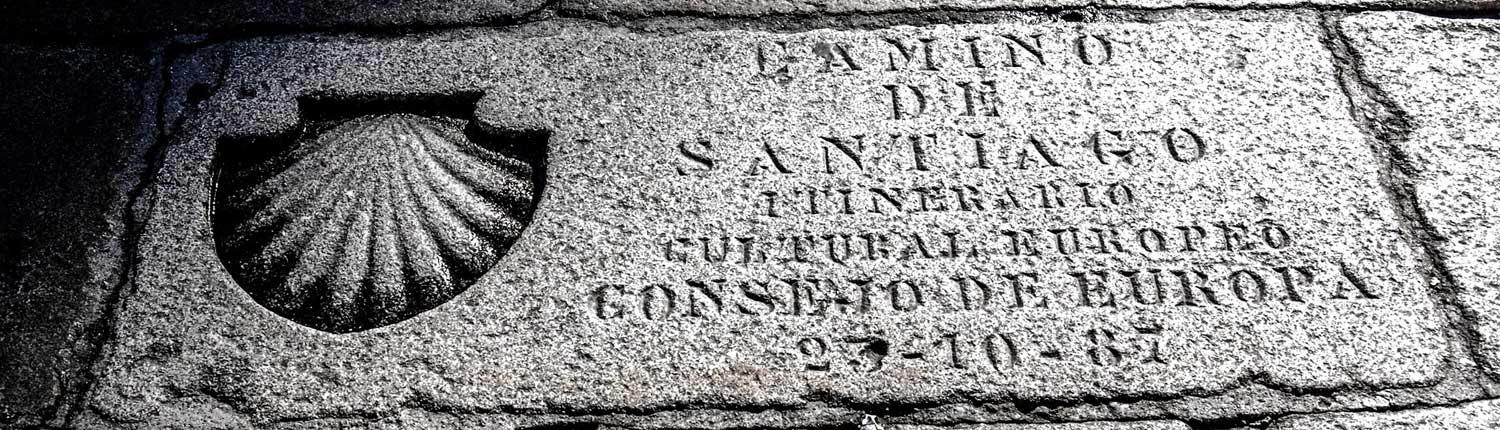
When we talk about the Camino de Santiago de Compostela, we must understand that there are actually several routes leading to Santiago. These are paths that pilgrims have been walking since the 9th century as they made their way to the city of Santiago de Compostela.
The reasons for this phenomenon, observed since the Middle Ages, are not entirely clear, and many people have dedicated themselves to studying the motivations whatever they may be that lead thousands to undertake this pilgrimage.
Even so, the various routes that have emerged across Europe over the last millennium generally converge toward the famous French Way (Caminho Francês), known as El Camino, or toward the Aragonese Way (Caminho Aragonês).
These are the most traditional and historically traveled routes, which merge into a single main path near the Spanish town of Puente la Reina, in Navarre. From there, the trail continues toward Santiago de Compostela in Galicia. However, other routes have always existed. These alternative “tramos,” though less traveled, are spread throughout the European continent.
The French Way is without a doubt the most popular path. Today it offers the best infrastructure for receiving pilgrims. It is usually completed on foot, but many people now also choose to travel parts of it by bicycle.
Santiago de Compostela – What are the Camino de Santiago packages like?
The pilgrimage to the Cathedral of Santiago is done according to each person’s preference and availability, and can begin and end wherever one wishes. There is no single official starting point only some that are more traditional or common. The desired endpoint, of course, is always the Cathedral of Santiago de Compostela, located in the Obradoiro Square.
Along the full French Way, known as El Camino, Nattrip has created several package options so you can choose where to begin your journey. We offer multiple joining points, allowing you to walk one or more sections according to your time and budget.
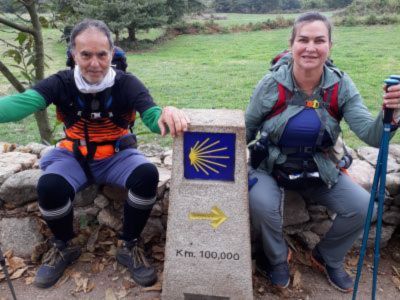
The first section runs from Saint Jean Pied-de-Port in France to the city of Burgos, in Spain. The second section covers the stretch from Burgos to Sarria. Finally, from Sarria to Santiago de Compostela is the last segment, marking the iconic final 100 km of the pilgrimage.
These three sections of the French Way include variations in geography, terrain, and climate factors that help determine the ideal planning strategy for each pilgrim.
In addition to El Camino, we also organize custom group departures on demand for other routes and tramos, each with different starting points. Feel free to contact us through the form below to explore the possibilities and join one of our groups.
Count on us for any questions, guidance, or important information about the packages, stages of the route, precautions, motivations, and everything else that can help you fulfill the desire to walk the Camino de Santiago.
Make your dream of completing the Camino de Santiago de Compostela come true pleasantly, meaningfully, and joyfully. Our wish is that this pilgrimage becomes a successful and transformative journey for everyone involved, each in their own way and according to their own expectations and dreams.
Count on us!