TRAVEL TO RIO DE JANEIRO
BRAZIL

BRAZIL
On this page, you will find everything you need for your travel to Rio de Janeiro.
The state of Rio de Janeiro, located in southeastern Brazil, is one of the country’s top tourist destinations. With its famous beaches, mountains, unique culture, and tropical climate, it is inviting any time of the year.
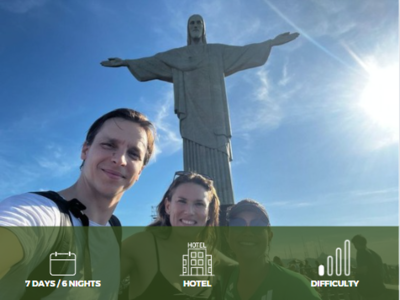
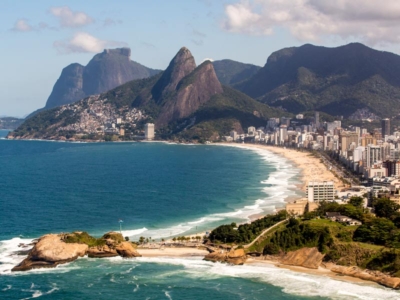
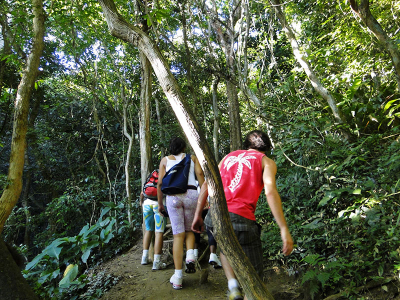
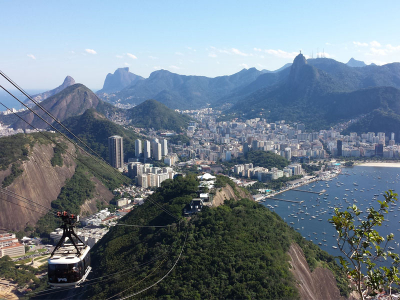
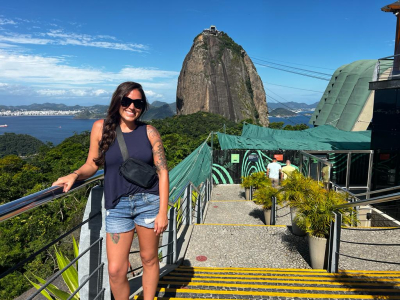
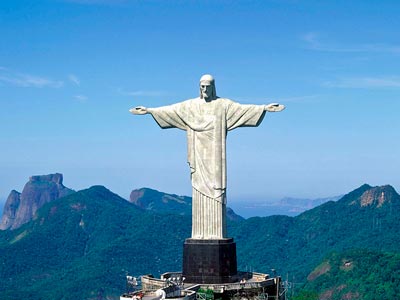
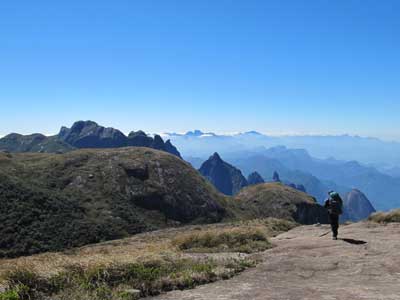
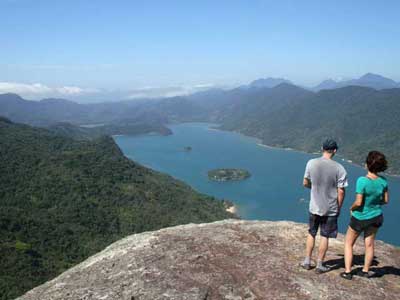
In the capital, known as the Marvelous City, the Tijuca National Park, home to the Tijuca Forest, is a true green oasis in the middle of the city. This park offers trails, waterfalls, and observation points, such as Corcovado and the Christ the Redeemer statue, Pedra da Gávea, Pico da Tijuca, among others. In addition, the city’s tourist zone is adorned by Sugarloaf Mountain, iconic beaches like Copacabana, Ipanema, Leblon, and the vibrant Lapa with its arches and nightlife.
Destinations within up to 3 hours from Rio de Janeiro
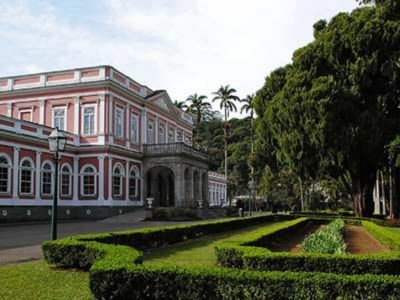
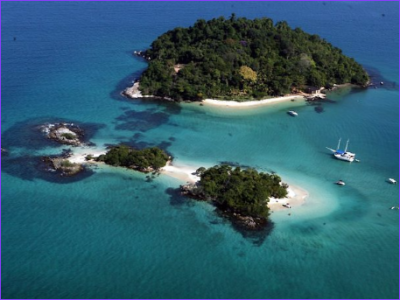
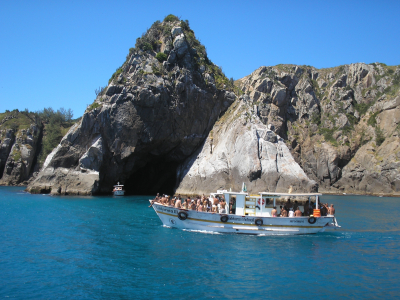
You can enjoy and experience the beauty of Angra dos Reis, dive into the crystal-clear waters of Arraial do Cabo, enjoy the charm and beaches of Búzios, or be captivated by the history and culture of Petrópolis, the imperial city.
If you are planning your travel in Rio de Janeiro, we offer a variety of packages, expeditions, itineraries, and tours, ensuring fun, safety, and unforgettable experiences for all ages.
Check out our service options for your travel to Rio de Janeiro below and contact us!
The culture and gastronomy
The city of Rio de Janeiro, known worldwide as the “Marvelous City,” is much more than its beautiful beaches and breathtaking landscapes. The city pulses with a rich and vibrant culture that reflects a mix of historical, social, and artistic influences. Over the centuries, Rio has become one of Brazil’s main cultural centers, offering a diversity that spans music, dance, gastronomy, and the unique Carioca way of life.
Samba is not just a musical expression but also a cultural manifestation reflected in samba circles, carnival street parties, and, of course, the famous samba school parades of Rio’s Carnival, the largest popular spectacle on the planet.
Considered the largest Carnival in the world, Rio’s Carnival is the most internationally famous, and its popularity continues to grow. Rio’s Carnival is a cultural expression with different forms, such as samba school parades, street parties, and carnival balls. Weeks before and after the official Carnival dates, Rio de Janeiro vibrates because the party is for everyone, everywhere, and at all times: costumes, samba, joy, and revelry are the hallmarks of street parties during the Carnival season.
Besides samba, Rio de Janeiro is the birthplace of Bossa Nova, a musical genre that gained international recognition in the 1950s and 1960s. The city is also home to a vibrant artistic scene, with renowned museums such as the Rio Art Museum (MAR) and the Museum of Tomorrow, as well as theaters and cultural centers that host events throughout the year.
On the plate, the black bean feijoada, with a variety of salted meats, accompanied by farofa, oranges, and collard greens, is an icon of Carioca cuisine. In the glass, the delicious caipirinha is a must-have drink for visitors to the city. And let’s not forget the famous mate tea and Globo biscuits, which every Carioca knows how to enjoy at the beach.
Carioca culture is also expressed in its unique cuisine, which combines African, indigenous, and European influences. On your travel to Rio de Janeiro, you must try the famous feijoada, delicious snacks, and polvilho biscuits, which are some of the everyday delights for Cariocas.
From popular community festivals to major international events, the city offers a rich and diverse cultural experience. Each neighborhood tells its own story, from the bohemian Lapa district, with its arches and samba bars, to Santa Teresa, with its cobblestone streets and street art.
Traveling to Rio de Janeiro is not only about immersing yourself in the city’s natural beauty but also in its vibrant and engaging culture. The city breathes art, music, joy, and hospitality, inviting every visitor to feel the warmth and passion of the Carioca spirit up close.
Experience the culture on your travel to Rio de Janeiro!
Best time and how to get there
This is one of the most important travel tips for Rio de Janeiro. Rio de Janeiro is a year-round destination.
During the summer, the city of Rio de Janeiro is at its busiest. The driest period runs from April to August, which does not mean you cannot go to the beach in winter. However, if you experience a few rainy days during your trip, don’t worry — there are many tour options for rainy days in Rio.
Rio de Janeiro is a destination you can visit all year round — there is no bad time.
WINTER: July – September
Lows of 18°C and highs of 25°C;
Almost no rain (40mm per month);
Minimum sea temperature: 21°C;
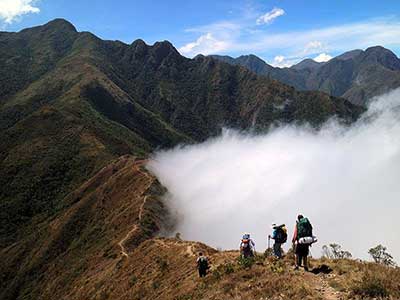
On sunny weekends, the beach can get crowded. However, there are also cold fronts with light rain and fog at higher elevations.
SPRING: October – November
Lows of 20°C and highs of 30°C;
Dry weather predominates;
A season very similar to winter, but with slightly warmer temperatures.
SUMMER: December – March
Highs around 30°C, reaching up to 40°C;
Rainiest season;
Minimum sea temperature: 26°C.
Summer is when everything happens in the city, which feels constantly energized. The heat is very intense and most of the time there is no cooling sea breeze like the one usually found along Brazil’s northeastern coast.
AUTUMN: April – June
Lows of 20°C and highs of 25°C;
Very little rain;
A pleasant season for sightseeing, as it is still warm but attractions are less crowded than during summer.
Rio de Janeiro has two airports:
If you arrive by bus, you will disembark at Novo Rio Bus Terminal, located in the port area.
Where to stay
The city has a wide range of hotels, hostels, guesthouses, and accommodations available.
South Zone
The main hub for accommodations and tourist activities is in the South Zone. Botafogo, Leme, Copacabana, Ipanema, and Leblon are the most sought-after neighborhoods, offering many shops and restaurants.
West Zone
The West Zone is a growing trend for accommodations. You can find several brand-new hotels in Barra da Tijuca and Recreio dos Bandeirantes.
Central Zone / Lapa
The central area, well known for Lapa, is the city’s bohemian heart, with lively nightlife and new developments in the hospitality sector.
There are other neighborhoods where you can stay.
Safety tips
Rio de Janeiro is no more dangerous than any other major Brazilian city. Public safety is a common issue in virtually all large urban centers in Brazil. Check out the precautions you should take when arriving in the Marvelous City:
Where is Rio de Janeiro located?
The state of Rio de Janeiro is located in the Southeast region of Brazil, bordering the states of São Paulo (to the southwest), Minas Gerais (to the north and northwest), and Espírito Santo (to the northeast). In addition to its land borders, the state of Rio de Janeiro has an extensive coastline facing the Atlantic Ocean. The state capital is the city of Rio de Janeiro, often referred to simply as “Rio.”

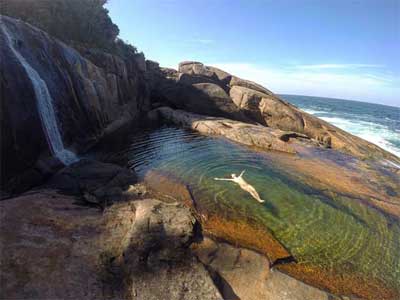
The Secret Waterfalls Circuit in Tijuca National Park, operated by Nattrip, was selected by Embratur and Sebrae to be part of the Feel Brasil Project, which highlights 101 authentic and sustainable tourism experiences across Brazil.
This recognition reinforces Nattrip’s commitment to responsible ecotourism and strengthens our role as a reference in experiences that connect nature, well-being, and culture.