History of Christ the Redeemer and Sugarloaf Mountain
Christ the Redeemer and Sugarloaf Mountain are two of the greatest symbols of Rio de Janeiro and Brazil. Much more than world-famous landmarks, these monuments represent the union between nature, culture, history and architecture, enchanting visitors from all over the world with their unforgettable landscapes.
Located between mountains, the sea and the Atlantic Forest, Christ the Redeemer and Sugarloaf Mountain are part of Rio’s cultural identity and help make Rio de Janeiro one of the most famous cities on the planet.
The History of Christ the Redeemer
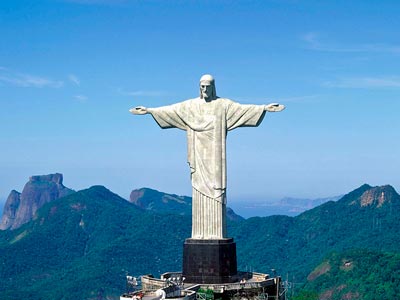
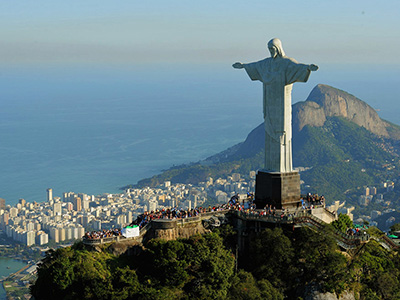
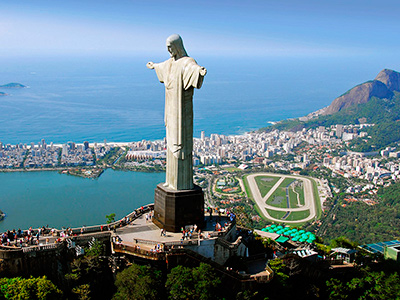
Christ the Redeemer is located at the top of Corcovado Mountain, within the limits of Tijuca National Park. Inaugurated in 1931, the statue stands 38 meters tall and quickly became one of the most famous monuments in the world.
The idea for its construction emerged in the 19th century, but the project gained momentum in the early decades of the 20th century as a symbol of peace and hospitality for the city of Rio de Janeiro. The monument was designed by engineer Heitor da Silva Costa with the collaboration of French sculptor Paul Landowski.
In 2007, Christ the Redeemer was officially elected one of the Seven Wonders of the Modern World, further strengthening its historical, cultural and tourism importance.
The History of Sugarloaf Mountain
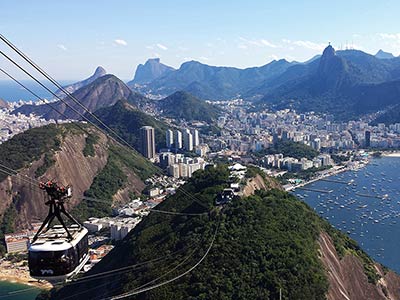
Sugarloaf Mountain is one of the most famous rock formations in Brazil. Standing approximately 396 meters above sea level, the mountain rises at the entrance of Guanabara Bay and offers one of the most impressive panoramic views in Rio de Janeiro.
The name “Sugarloaf” originated during the colonial period, when the Portuguese compared the mountain’s shape to the traditional blocks of sugar produced in the sugar mills of that time.
In 1912, the famous Sugarloaf Cable Car was inaugurated, becoming the first cable car in Brazil and one of the pioneers in the world. Since then, the attraction has become one of the most visited tourist sites in the country.
Nature and Preservation
Both Christ the Redeemer and Sugarloaf Mountain are located within areas of great environmental and scenic importance. Tijuca National Park protects one of the largest urban forests on the planet, while the Urca neighborhood and Guanabara Bay region preserve important coastal ecosystems of the city.
The combination of mountains, sea and Atlantic Forest creates a unique landscape, internationally recognized as a UNESCO World Heritage Site.
A Must-Do Tour in Rio de Janeiro
Over the years, visiting Christ the Redeemer and Sugarloaf Mountain has become an essential experience for anyone traveling to Rio de Janeiro. The viewpoints offer spectacular views of the beaches of the South Zone, Rodrigo de Freitas Lagoon, Guanabara Bay, Tijuca Forest and several other iconic locations in the city.
Beyond the incredible landscapes, the tour provides a true immersion into the history and culture of Rio de Janeiro.
Christ the Redeemer and Sugarloaf Mountain Today
Today, Christ the Redeemer and Sugarloaf Mountain represent the essence of Rio de Janeiro: a vibrant city surrounded by nature and internationally recognized for its unique beauty.
Millions of visitors explore these attractions every year in search of breathtaking views, connection with the city and unforgettable moments.
Live this unique experience and discover Brazil’s most iconic landmarks with Nattrip!